šŸ“° Today's Current Affairs — Read Now →
📷 Follow on Instagram

2026 current affairs

Munneru–Palair Link Project – Telangana Irrigation & Water Supply Scheme | TGPSC Notes

Why in News?

The Telangana government has initiated the Munneru–Palair Link Project to stabilise the Nagarjuna Sagar Project (NSP) ayacut. The project aims to utilize surplus water and reduce flood risks in the region.
munneru–palair link project

Munneru–Palair Link Project:

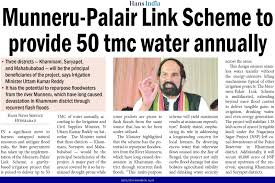
Munneru–Palair Link ProjectĀ isĀ a gravity-based irrigation and flood control initiative by the Telangana government. It involves constructing aĀ 9.6-kilometre-long link canalĀ to divert surplus floodwaters from the Munneru River to the Palair balancing reservoir

  • Project Type: Gravity-based irrigation & drinking water scheme
  • Location: Telangana (Khammam, Suryapet, Mahabubabad districts)
  • Water Utilisation: ~50 TMC annually.
  • Irrigation Stabilization:Ā Stabilizes 1.38 lakh acres of ayacut under theĀ Nagarjuna Sagar ProjectĀ (NSP) downstream of Palair and 40,000 acres upstream across Khammam and Suryapet districts.
  • Flood Mitigation:Ā Mitigates the recurring flash floods in Khammam district by productively channeling excess water that previously flowed unused into the sea.
https://www.thehindu.com/news/national/telangana/munneru-palair-link-to-stabilise-nsp-ayacut-save-people-from-flood-fury-uttam-kumar-reddy/article70519238.ece: Munneru–Palair Link Project – Telangana Irrigation & Water Supply Scheme | TGPSC Notes

Munneru–Palair Link Project – Telangana Irrigation & Water Supply Scheme | TGPSC Notes Read More Ā»

Medaram Maha Jatara 2026 – Sammakka Saralamma Festival & Key Facts for TGPSC

Why in News?

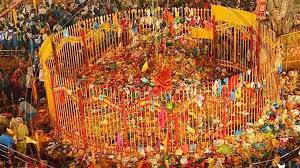
The Telangana Chief Minister inaugurated the renovated shrine at Medaram ahead of the Sammakka–Saralamma Jatara. The State government reconstructed sacred platforms (gaddelu).

medaram jatara

Medaram Maha Jatara:

Medaram Maha JataraĀ (also known as theĀ Sammakka Saralamma Jatara) isĀ Asia’s largest tribal religious congregation, held biennially in the state of Telangana, India. It commemorates the brave fight of a mother and daughter, Sammakka and Saralamma, against the unjust tax laws of the Kakatiya rulers in the 13th century

  • Location: Celebrated inĀ Medaram Village, Tadvai Mandal, Mulugu District, within the Eturnagaram Wildlife Sanctuary.
  • Largest Tribal Festival: One of the largest tribal congregations in the world. Second-largest fair after Kumbh Mela.
  • Held once every 2 years (biennial).
  • Celebrated mainly by the Koya Tribe
  • Main ritual: Offering Bangaram: Devotees offer jaggery (locally calledĀ BangaramĀ or gold) equal to their body weight to the deities.
https://www.hindustantimes.com/india-news/telangana-guv-leaders-offer-prayers-at-medaram-maha-jatara-101769771028233.html: Medaram Maha Jatara 2026 – Sammakka Saralamma Festival & Key Facts for TGPSC

Medaram Maha Jatara 2026 – Sammakka Saralamma Festival & Key Facts for TGPSC Read More Ā»

Telangana Next-Gen Life Sciences Policy 2026–30 – Targets, Features & TGPSC Notes

Why in News?

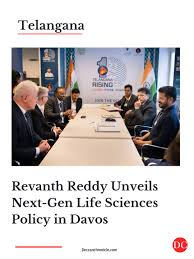
The Telangana government has unveiled the Next-Gen Life Sciences Policy 2026–30. The policy aims to position Telangana as a global hub for life sciences and advanced therapies by 2030.

telangana next gen life sciences policy 2026–30

Key Highlights of the policy:

The Telangana Next-Gen Life Sciences Policy 2026–30, aims to position the state as a top-five global life sciences cluster by 2030.

The policy targets USD 25 billion in investments, creates 500,000 high-quality jobs, and focuses on transforming the ecosystem toward innovation-driven, advanced therapies, such as cell and gene therapies, precision fermentation, and peptides

  • Vision: Become a leading global life sciences hub by 2030.
  • Global Target: Top 5 life sciences clusters worldwide.
  • Investment Goal: $25 billion (₹2 lakh crore)
  • Employment Target: 5 lakh high-quality jobs
  • Focus Shift: From supply hub → global originator of advanced therapies

Innovation Support:

  • Ā Launch of the Life Sciences Innovation Fund, with an initial corpus of ₹100 crore.
  • Scalable up to ₹1,000 crore
Infrastructure Development:
  • Green Pharma City establishment
  • 10 Pharma Villages (1,000–3,000 acres each) along ORR
  • Expansion of Genome Valley
  • Creation of Bio-innovation & Bio-manufacturing clusters
  • Collaboration with Union Government
https://www.newsonair.gov.in/telangana-government-unveils-next-gen-life-sciences-policy-at-davos/: Telangana Next-Gen Life Sciences Policy 2026–30 – Targets, Features & TGPSC Notes

Telangana Next-Gen Life Sciences Policy 2026–30 – Targets, Features & TGPSC Notes Read More Ā»

AP Three-Zone Growth Model – North Coastal, Central & Rayalaseema Development Plan | APPSC Notes

Why in News?

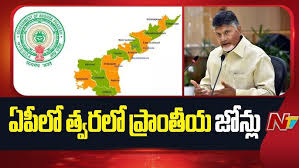
Andhra Pradesh government has approved a Three-Zone Growth Model to accelerate industrialization and reduce regional disparities. The initiative divides the State into three economic development zones with sector-specific focus.

ap three zone growth model

AP Three-Zone Growth Model

Andhra Pradesh government has approved a Three-Zone Growth Model to accelerate industrialization and ensure balanced regional development, dividing the state into North Coastal, Central Coastal, and Rayalaseema zones.

This strategy aims to foster 15% GSDP growth, with specialized, CEO-led zones focusing on unique strengths—such as port-based industries, IT, and agro-processing—to create jobs and attract investment.

  • North Coastal Zone (Visakhapatnam):Ā Focusing on port-led industrialization, IT hubs, pharmaceuticals, and tourism.
  • Central Coastal Zone (Amaravati):Ā Targeting agro-based industries, food processing, logistics, and digital services.
  • Rayalaseema Zone (Tirupati):Ā Emphasizing renewable energy, mining, horticulture, and spiritual tourism.
  • Structure:Ā Each zone is led by a senior IAS officer as CEO, supported by zonal committees of ministers and legislators to ensure fast, decentralized decisions.
https://swarajyamag.com/news-brief/andhra-pradesh-launches-three-zone-growth-model-to-fast-track-industrial-and-regional-development: AP Three-Zone Growth Model – North Coastal, Central & Rayalaseema Development Plan | APPSC Notes

AP Three-Zone Growth Model – North Coastal, Central & Rayalaseema Development Plan | APPSC Notes Read More Ā»

Polavaram–Nallamala Sagar Link Project (PNLP) – Godavari Water Diversion Scheme Explained

Why in News?

Andhra Pradesh government has proposed the Polavaram–Nallamala Sagar Link Project (PNLP) to utilize surplus Godavari water.

polavaram–nallamala sagar link project

Polavaram–Nallamala Sagar Link Project (PNLP):

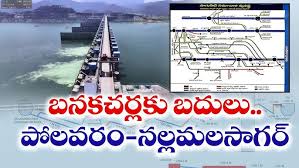
Polavaram–Nallamala Sagar Link Project (PNLP)Ā isĀ a major irrigation and water-linking initiative proposed by the Government of Andhra Pradesh. It is designed to divertĀ surplus Godavari floodwatersĀ to the drought-proneĀ Rayalaseema region

  • Purpose: To harness approximatelyĀ 200 TMCFTĀ (Thousand Million Cubic Feet) of Godavari floodwater that would otherwise flow into the sea, providing irrigation and drinking water to water-scarce districts.

Infrastructure: The project involves taking water from theĀ Polavaram DamĀ and linking it to theĀ Nallamala SagarĀ (part of the Veligonda project) in the Prakasam district.

  • Pumping water from Polavaram Project
  • Transfer to Prakasam Barrage
  • Link canal to Nagarjuna Sagar Right Canal
  • Balancing reservoir at Bollapalli
  • Final storage at Nallamala Sagar reservoir (Veligonda Project)
https://www.newindianexpress.com/states/telangana/2025/Nov/28/andhra-pradesh-invites-fresh-bids-to-divert-godavari-waters: Polavaram–Nallamala Sagar Link Project (PNLP) – Godavari Water Diversion Scheme Explained

Polavaram–Nallamala Sagar Link Project (PNLP) – Godavari Water Diversion Scheme Explained Read More Ā»

Ponduru Khadi Gets GI Tag – Andhra Pradesh Handloom Heritage & Key Facts for APPSC

Why in News?

Ponduru Khadi from Srikakulam district, Andhra Pradesh, has been awarded the Geographical Indication (GI) tag, recognizing its unique craftsmanship and heritage value.

ponduru khadi

Ponduru Khadi:

Ponduru Khadi isĀ a premium, handspun, and handwoven cotton fabric originating from Ponduru village in Andhra Pradesh’s Srikakulam district.Ā Often known locally asĀ Patnulu, the weaving technique is passed down through generations in a village with a long history of khadi production.

  • Ponduru Khadi receives prestigious GI tag.
  • Khadi and Village Industries Commission named as registered proprietor.
  • Ensures only authentic khadi from Ponduru is marketed under this name.
  • Boosts handloom sector and rural artisans’ livelihood

Geographical Indication (GI) Tag:

  • GI tag identifies products with specific geographical origin and unique qualities.
  • It is a collective intellectual property right.

Key Features:

  • Law →
    • Geographical Indications of Goods (Registration and Protection) Act, 1999
    • Came into force in 2003
  • Nodal Agency →
    • Geographical Indications Registry (under DPIIT)
  • International Link →
    • Aligned with WTO TRIPS Agreement and Paris Convention
  • Validity → 10 years (renewable)
https://www.pib.gov.in/PressReleasePage.aspx?PRID=2215465&reg=3&lang=2: Ponduru Khadi Gets GI Tag – Andhra Pradesh Handloom Heritage & Key Facts for APPSC

Ponduru Khadi Gets GI Tag – Andhra Pradesh Handloom Heritage & Key Facts for APPSC Read More Ā»

Andhra Pradesh Shipbuilding Cluster at Dugarajapatnam – Key Facts, APPSC Notes

Why in News?

Andhra Pradesh government has approved the establishment of a Greenfield Port and Shipbuilding Cluster at Dugarajapatnam under the Shipbuilding Development Scheme (SbDS) of the Ministry of Ports Shipping and Waterways.

shipbuilding cluster at dugarajapatnam

Shipbuilding Cluster at Dugarajapatnam:

Andhra Pradesh government has officially approved the development of a ₹29,253 crore greenfield port and National Mega Shipbuilding Cluster at Dugarajapatnam in Tirupati district. This project is envisioned as India’s first mega greenfield shipbuilding cluster and a central component of the national Maritime Amrit Kaal Vision 2047.

  • Special Purpose Vehicle (SPV):Ā The state has created “National Shipbuilding and Heavy Industries Park Andhra Pradesh Limited” to oversee development.
  • Infrastructure:Ā The hub will include 1,000 acres for shipyards and 1,000 acres for supporting ancillary industries, with a 2 km waterfront.
  • Capacity:Ā It aims to build a capacity of 1.2 million Gross Tonnage Per Annum (GTPA), including an anchor shipyard.
https://www.thehindu.com/news/national/andhra-pradesh/andhra-pradesh-govt-forms-spv-for-mega-shipbuilding-hub-at-dugarajapatnam/article70695823.ece: Andhra Pradesh Shipbuilding Cluster at Dugarajapatnam – Key Facts, APPSC Notes

Andhra Pradesh Shipbuilding Cluster at Dugarajapatnam – Key Facts, APPSC Notes Read More Ā»

PM Modi Highlights Narsapuram Lace Craft as a Model of Women’s Empowerment:

Why in News?

Prime Minister Narendra Modi highlighted the Narsapuram Lace Craft during the 129th episode of ā€œMann Ki Baatā€, praising its role in women’s empowerment and self-help groups (SHGs).

narsapuram lace craft

Narsapuram Lace Craft:

Narsapuram Lace Craft (also known asĀ Narasapur Crochet Lace) isĀ a centuries-old hand-crocheted textile tradition from the West Godavari and Dr. B.R. Ambedkar Konaseema districts ofĀ Andhra Pradesh.Ā 

  • Known for intricate floral and geometric designs.
  • Has received a Geographical Indication (GI) tag.

About GI Tag:

AĀ Geographical Indication (GI) TagĀ isĀ a sign used on products that have a specific geographical origin and possess qualities or a reputation that are due to that origin

  • It is a form of collective intellectual property right.
  • Validity → 10 years (renewable)
  • Legal framework →Geographical Indications of Goods (Registration and Protection) Act, 1999. Came into force in 2003
https://www.deccanchronicle.com/southern-states/andhra-pradesh/pm-modi-highlights-narsapuram-lace-craft-as-a-model-of-womens-empowerment-1926767: PM Modi Highlights Narsapuram Lace Craft as a Model of Women’s Empowerment:

PM Modi Highlights Narsapuram Lace Craft as a Model of Women’s Empowerment: Read More Ā»

Somnath Temple 1000 Years Since 1026 Attack – History, Mahmud of Ghazni & Key Facts

Why in News?

India is commemorating 1,000 years since the first recorded attack (1026 CE) on the Somnath Temple by Mahmud of Ghazni through events titled Somnath Swabhiman Parv (2026).

somnath temple

Somnath Temple:

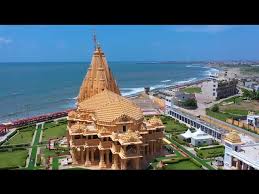
The Somnath Temple, located in Prabhas Patan, Gujarat, is revered as the first of the twelve Jyotirlinga shrines of Lord Shiva. Often called the “Eternal Shrine,” it is famous for its resilience, having been destroyed and rebuilt many times throughout history.

1026 attack:
  • Led by Mahmud of Ghazni, ruler of the Ghaznavid Dynasty.
  • One of his 17 invasions into India (1000–1025 CE).
  • Targeted wealthy temples for plunder and religious motives

About Mahmud of Ghazni:

  • Ruler of Ghazni (present-day Afghanistan)
  • Conducted 17 raids into the Indian subcontinent
  • Focused on rich temple cities like Somnath
  • Al-Biruni accompanied Mahmud of Ghazni. Authored ā€œKitab-ul-Hindā€, a detailed account of Indian society and culture
https://www.pib.gov.in/PressReleasePage.aspx?PRID=2213128&reg=3&lang=2#:~:text=A%20Thousand%20Years%20of%20Deep%2Drooted%20Faith%20and%20Civilisational%20Pride&text=Somnath%20Swabhiman%20Parv%20(8%E2%80%9311,rich%20cultural%20and%20spiritual%20heritage.: Somnath Temple 1000 Years Since 1026 Attack – History, Mahmud of Ghazni & Key Facts

Somnath Temple 1000 Years Since 1026 Attack – History, Mahmud of Ghazni & Key Facts Read More Ā»

RBI Proposes BRICS Digital Currency Link – CBDC, e-Rupee & Cross-Border Payments Explained

Why in News?

The Reserve Bank of India (RBI) has recommended the government to include a proposal on linking Central Bank Digital Currencies (CBDCs) of BRICS nations in the 2026 BRICS Summit agenda to enhance cross-border payments

cbdc
  • RBI suggested integration of CBDCs among BRICS countries.
  • Aim: Enable faster, cheaper, and more efficient cross-border payments.
  • Could reduce dependence on the US dollar in global trade.

CBDC:

Central Bank Digital Currency (CBDC)Ā is the digital form of a country’s fiat currency, issued and regulated by its central bank. It serves as a legal tender, equivalent to physical cash, and is a direct liability of the central bank rather than a commercial bank

  • In India, CBDC is known as the e-Rupee (e₹).
  • It is a legal tender and a direct liability of RBI, unlike cryptocurrencies.
Types of CBDC in India:
  1. Retail CBDC (e₹-R):
    • Used by general public (individuals & businesses)
    • For daily transactions
    • Stored in digital wallets via banks
  2. Wholesale CBDC (e₹-W):
    • Used by financial institutions
    • For interbank settlements
    • Useful in government securities market
https://www.thehindu.com/opinion/editorial/building-bridges/article70534042.ece: RBI Proposes BRICS Digital Currency Link – CBDC, e-Rupee & Cross-Border Payments Explained

RBI Proposes BRICS Digital Currency Link – CBDC, e-Rupee & Cross-Border Payments Explained Read More Ā»