Why in News?
Chairpersons of both Houses of Parliament rejected a notice submitted by Opposition Members of Parliament seeking the removal of the Chief Election Commissioner (CEC). It sought the removal of the current Chief Election Commissioner Gyanesh Kumar
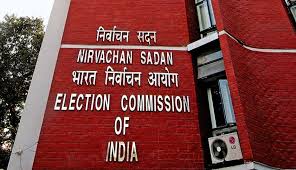
Constitutional Provision: Article 324(5)
- Article 324 deals with the Election Commission of India (ECI).
- Clause (5) ensures security of tenure for the CEC.
- It states that:
- The CEC can be removed only in the same manner and on the same grounds as a Supreme Court Judge.
Grounds for Removal of CEC:
The CEC can be removed only on:
- Proven misbehaviour
- Incapacity
These conditions ensure independence and prevent arbitrary removal.
Procedure for Removal of CEC
The process is similar to the removal of a Supreme Court Judge and follows the Judges (Inquiry) Act, 1968. The procedure is as follows
1. Initiation of Motion
- Requires:
- At least 100 Lok Sabha MPs, OR
- At least 50 Rajya Sabha MPs
Admission & Investigation
- The motion is submitted to:
- Lok Sabha Speaker or Rajya Sabha Chairman
- If admitted, a 3-member inquiry committee is formed:
- A Supreme Court Judge
- A Chief Justice of a High Court
- A Distinguished jurist
3. Parliamentary Approval
- If charges are proven:
- Both Houses must pass the motion with a Special Majority:
- Majority of total membership AND
- Two-thirds of members present and voting
- Both Houses must pass the motion with a Special Majority:
4. Final Removal
- After Parliament passes the motion:
- The President of India issues the final removal order.
To Know more about Election commission of India, Click here