πŸ“° Today's Current AffairsRead Now →
📷 Follow on Instagram

January 2026 current affairs

Veer Bal Diwas – History, Significance & Key Facts for exams

Why in News?

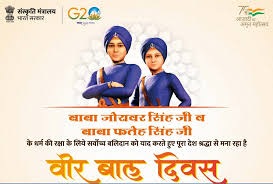
India observed Veer Bal Diwas to commemorate the bravery and sacrifice of the sons of Guru Gobind Singh, highlighting their unwavering commitment to faith and courage.
veer bal diwas

Veer Bal Diwas honors the martyrdom of

  • Sahibzada Zorawar Singh (aged 9)
  • Sahibzada Fateh Singh (aged 7)
  • They were the youngest sons of Guru Gobind Singh.
  • The day highlights extraordinary courage and sacrifice at a young age.
  • Observed annually on December 26.

Β In 1704, the two young boys were captured by the Mughal Governor of Sirhind, Wazir Khan. Despite facing extreme pressure and the threat of death, they refused to renounce their faith and were eventually executed by being bricked alive into a wall.

https://www.pib.gov.in/PressNoteDetails.aspx?NoteId=156743&ModuleId=3&reg=3&lang=2: Veer Bal Diwas – History, Significance & Key Facts for exams

Veer Bal Diwas – History, Significance & Key Facts for exams Read More Β»

RBI Proposes BRICS Digital Currency Link – CBDC, e-Rupee & Cross-Border Payments Explained

Why in News?

The Reserve Bank of India (RBI) has recommended the government to include a proposal on linking Central Bank Digital Currencies (CBDCs) of BRICS nations in the 2026 BRICS Summit agenda to enhance cross-border payments

cbdc
  • RBI suggested integration of CBDCs among BRICS countries.
  • Aim: Enable faster, cheaper, and more efficient cross-border payments.
  • Could reduce dependence on the US dollar in global trade.

CBDC:

Central Bank Digital Currency (CBDC)Β is the digital form of a country’s fiat currency, issued and regulated by its central bank. It serves as a legal tender, equivalent to physical cash, and is a direct liability of the central bank rather than a commercial bank

  • In India, CBDC is known as the e-Rupee (eβ‚Ή).
  • It is a legal tender and a direct liability of RBI, unlike cryptocurrencies.
Types of CBDC in India:
  1. Retail CBDC (eβ‚Ή-R):
    • Used by general public (individuals & businesses)
    • For daily transactions
    • Stored in digital wallets via banks
  2. Wholesale CBDC (eβ‚Ή-W):
    • Used by financial institutions
    • For interbank settlements
    • Useful in government securities market
https://www.thehindu.com/opinion/editorial/building-bridges/article70534042.ece: RBI Proposes BRICS Digital Currency Link – CBDC, e-Rupee & Cross-Border Payments Explained

RBI Proposes BRICS Digital Currency Link – CBDC, e-Rupee & Cross-Border Payments Explained Read More Β»

India GDP Growth Expected at 7.4% in FY26 – First Advance Estimates, GDP vs GNP Explained

Why in News?

India’s real GDP growth is projected at 7.4% for FY26, according to the government’s First Advance Estimates, despite global uncertainties like US tariff pressures

gdp

GDP-Explained

Gross Domestic Product (GDP) measures the total value of goods and services produced within a country’s borders in a given time period.

It is a key indicator of economic performance and growth.

  • GDP = Total value of final goods and services produced within India
  • Includes Net Indirect Taxes (GST – Subsidies) added to GVA
  • Excludes intermediate goods to avoid double counting
Types of GDP

Nominal GDP:

  • Measured at current market prices
  • Does not adjust for inflation

Real GDP:

  • Adjusted for inflation/deflation
  • Reflects actual growth in output
GDP vs GNP
FeatureGDPGNP
DefinitionProduction within countryIncome of nationals globally
FocusDomestic territoryOwnership (citizens/companies)
Includes foreign companies in IndiaYesNo
Includes income earned abroadNoYes
Examples:
  • A foreign company producing goods in India β†’ counted in India’s GDP
  • An Indian company earning income abroad β†’ counted in India’s GNP
https://indianexpress.com/article/business/economy/fy26-real-gdp-growth-seen-at-7-4-budget-prep-to-build-on-data-10460105/: India GDP Growth Expected at 7.4% in FY26 – First Advance Estimates, GDP vs GNP Explained

India GDP Growth Expected at 7.4% in FY26 – First Advance Estimates, GDP vs GNP Explained Read More Β»

RBI Strengthens Priority Sector Lending (PSL) Norms – Key Highlights, Targets & Exam Notes

Why in News?

The Reserve Bank of India (RBI) has introduced amendments to the Priority Sector Lending (PSL) guidelines to improve credit flow monitoring and strengthen financial inclusion

priority sector lending (psl)

Priority Sector Lending (PSL)

Priority Sector Lending (PSL) is a regulatory framework mandated by the Reserve Bank of India (RBI) requiring banks to direct a specific portion of their credit to sectors that are essential for the country’s development but often lack adequate access to formal finance.

  • It ensures that crucial sectors which often face credit shortages receive adequate financing.
  • It is a key tool for achieving financial inclusion and balanced development.

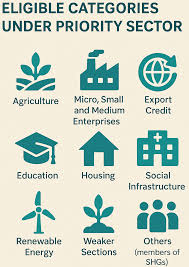
PSL Sectors:

  • Agriculture
  • Micro, Small and Medium Enterprises (MSMEs)
  • Export Credit
  • Education
  • Housing
  • Social Infrastructure
  • Renewable Energy
  • Weaker Sections (included under β€œOthers”)
PSL Targets:

Domestic Commercial Banks:

  • Must allocate 40% of Adjusted Net Bank Credit (ANBC) to priority sectors.

Regional Rural Banks (RRBs) & Urban Cooperative Banks:

  • Higher target of 75% of ANBC due to their role in rural and inclusive banking.
https://www.newindianexpress.com/business/2026/Jan/19/rbi-tightens-psl-norms-asks-banks-to-get-external-auditor-certification: RBI Strengthens Priority Sector Lending (PSL) Norms – Key Highlights, Targets & Exam Notes

RBI Strengthens Priority Sector Lending (PSL) Norms – Key Highlights, Targets & Exam Notes Read More Β»

Union Cabinet Approves β‚Ή5,000 Crore Equity Infusion into SIDBI to Boost MSME Credit Growth

Why in News?

Union Cabinet has approved a β‚Ή5,000 crore equity infusion into SIDBI to enhance credit availability for MSMEs and ensure the institution maintains a strong financial position amid expanding lending operations.

sidbi
  • The infusion will strengthen SIDBI’s lending capacity.
  • Helps maintain a healthy Capital to Risk-Weighted Assets Ratio (CRAR).

SIDBI (Small Industries Development Bank of India):

  • Established in 1990 under an Act of Parliament.
  • Acts as the principal financial institution for MSME promotion, financing, and development. Coordinates with other institutions involved in MSME financing.
  • Plays a vital role in industrial growth, employment generation, and exports.
Capital to Risk-Weighted Assets Ratio (CRAR):
  • Also known as Capital Adequacy Ratio (CAR).
  • Measures a bank’s capital in relation to its risk-weighted assets (RWA). Indicates the financial strength and stability of a bank.
  • A higher CRAR means better ability to absorb losses.
  • Governed by Basel Accords issued by the Basel Committee on Banking Supervision (BCBS).
https://pscchronicles.com/small-industries-development-bank-of-india-sidbi-topic-explained/: Union Cabinet Approves β‚Ή5,000 Crore Equity Infusion into SIDBI to Boost MSME Credit Growth

Union Cabinet Approves β‚Ή5,000 Crore Equity Infusion into SIDBI to Boost MSME Credit Growth Read More Β»

Payments Regulatory Board (PRB) Holds First Meeting in Mumbai – Key Exam Notes

Why in News?

The first meeting of the Payments Regulatory Board (PRB) was held in Mumbai under the chairmanship of the RBI Governor.

payments regulatory board

Payments Regulatory Board:

Payments Regulatory Board (PRB)Β isΒ a six-member statutory body within theΒ Reserve Bank of India (RBI)Β established to regulate and oversee the country’s payment and settlement systems. It became operational by replacing the earlier Board for Regulation and Supervision of Payment and Settlement Systems (BPSS).

  • Composition: Chaired by the RBI Governor (currently Sanjay Malhotra), it includes two other RBI representatives and three nominees from the Central Government.
  • Focuses on regulation and supervision of digital and non-cash payment systems.
  • Decisions are made by a majority vote; the Chairperson holds a casting vote in case of a tie. The board must meet at leastΒ twice a year
https://www.newsonair.gov.in/rbi-governor-sanjay-malhotra-chairs-first-meeting-of-payments-regulatory-board-meeting/: Payments Regulatory Board (PRB) Holds First Meeting in Mumbai – Key Exam Notes

Payments Regulatory Board (PRB) Holds First Meeting in Mumbai – Key Exam Notes Read More Β»

Centre Proposes PM-RKVY Restructuring with β‚Ή1.75 Lakh Crore Outlay (2026–31) – Key facts

Why in News?

Union Ministry of Agriculture has proposed a major restructuring of agricultural schemes by merging three schemes into Pradhan Mantri-Rashtriya Krishi Vikas Yojana (PM-RKVY).

pradhan mantri rashtriya krishi vikas yojana (pm rkvy).

Three schemes to be merged under PM-RKVY:

  • Krishonnati Yojana (KY) – Focus on food security & farmers’ income
  • National Mission on Natural Farming (NMNF) – Promotes chemical-free farming
  • National Bee and Honey Mission (NBHM) – Supports apiculture & pollination
Key Features of the Restructured Scheme:

Performance-Linked Funding Framework: For the first time, the allocation of central funds will be tied to aΒ “Reform Score,”Β shifting from an expenditure-driven approach to an outcome-oriented one.

  • 30% of funds will depend on a β€œReform Score”.
  • States will be incentivized for: Land leasing reforms, Agricultural market liberalization and Structural policy improvements.

Funding Pattern:

  • General States:Β 60:40 (Centre:State).
  • Northeastern and Himalayan States:Β 90:10.
  • Union Territories:Β 100% central funding
https://indianexpress.com/article/political-pulse/govt-to-merge-agricultural-schemes-link-funds-to-state-reforms-10468148/: Centre Proposes PM-RKVY Restructuring with β‚Ή1.75 Lakh Crore Outlay (2026–31) – Key facts

Centre Proposes PM-RKVY Restructuring with β‚Ή1.75 Lakh Crore Outlay (2026–31) – Key facts Read More Β»

Israel Recognizes Somaliland – First UN Member to Do So

Why in News?

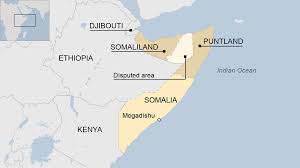
Israel has reportedly become the first UN member state to formally recognize Somaliland as an independent nation. This move has significant implications for regional stability in the Horn of Africa.

somaliland

Somaliland:

  • Somaliland is a self-declared independent republic in the Horn of Africa.
  • It declared independence from Somalia in 1991 after the fall of military ruler .
  • Despite functioning as a separate entity, it has not been widely recognized internationally until now.
https://www.thehindu.com/news/international/israel-becomes-first-country-to-formally-recognise-somaliland-as-independent-state/article70441372.ece: Israel Recognizes Somaliland – First UN Member to Do So

Israel Recognizes Somaliland – First UN Member to Do So Read More Β»

India–Bangladesh Ganga Water Treaty Renewal Talks 2026 – Exam facts

Why in News?

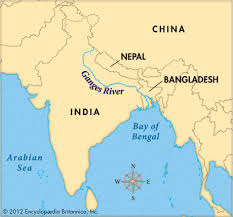
India and Bangladesh have initiated discussions to renew the Ganga Water Sharing Treaty, which is set to expire in December 2026.

ganga river

Ganga Water Sharing Treaty:

  • The Ganga Water Sharing Treaty was signed on 12 December 1996 for a period of 30 years.
  • It regulates water sharing at the Farakka Barrage (West Bengal).
  • The agreement focuses on the lean season (January 1 – May 31) when water availability is low.
  • Ensures equitable distribution of Ganga waters between India and Bangladesh.
About Ganga River:
  • Course: Flows through: Uttarakhand, Uttar Pradesh, Bihar, Jharkhand, West Bengal.
  • Key Feature:
    • At West Bengal, it divides into:
      • Bhagirathi–Hooghly (India)
      • Padma (enters Bangladesh)
  • Delta:
    • Forms the Sundarbans Delta (largest delta in the world) along with the Brahmaputra before draining into the Bay of Bengal
https://www.firstpost.com/world/india-bangladesh-ganga-water-sharing-treaty-expiring-in-2026-will-new-delhi-renew-pact-talks-kick-off-13964670.html: India–Bangladesh Ganga Water Treaty Renewal Talks 2026 – Exam facts

India–Bangladesh Ganga Water Treaty Renewal Talks 2026 – Exam facts Read More Β»

ICJ Begins Hearings on Myanmar Rohingya Genocide Case – Key Facts for Exams

Why in News?

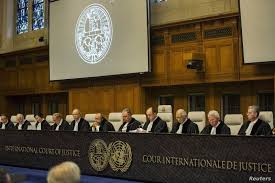
International Court of Justice (ICJ) has commenced hearings to examine allegations of genocide committed by Myanmar against the Rohingya community.

international court of justice

Rohingyas:

The Rohingya are a Muslim minority ethnic group primarily residing in Rakhine State, Myanmar. Following severe military crackdowns and persecution, described by the UN as potential crimes against humanity and genocide, over 900,000 refugees fled to Bangladesh since 2015.Β 

International Court of Justice:
  • Also known as the World Court.
  • Established: 1945 under the UN Charter
  • Began functioning: 1946
  • Headquarters: The Hague, Netherlands
  • Composition: 15 judges elected for 9-year terms
  • Official Languages: English and French

ICJ Begins Hearings on Myanmar Rohingya Genocide Case – Key Facts for Exams Read More Β»