πŸ“° Today's Current AffairsRead Now →
📷 Follow on Instagram

PSC Chronicles Team

Musi Riverfront Development Project (MRDP) – Land Acquisition Begins, Features & Objectives for TGPSC exams

Why in News?

The Telangana government has initiated the land acquisition process for the Musi Riverfront Development Project (MRDP).
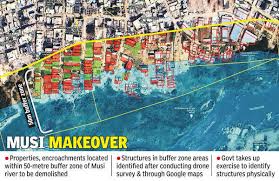
musi riverfront development project

Musi Riverfront Development Project:

  • A major urban development initiative in Hyderabad.
  • Focuses on rejuvenation of the 55 km Musi River corridor

Core Objectives:

  • Ecological Restoration: Cleaning the river by stopping sewage flow, removing silt, and establishing 100% sewage treatment capacity through a network of Sewage Treatment Plants (STPs).
  • Water Management: Linking the Musi to the Godavari River to ensure perennial clean water flow and mitigate long-term drought risks.
  • Flood Mitigation: Redesigning the riverbed and floodplains to manage extreme weather events effectively.
  • Urban Infrastructure: Developing 29 new bridges, an elevated East-West corridor, and mixed-use transit nodes.
  • Cultural & Public Spaces: Creating parks, promenades, cycling tracks, and iconic landmarks like theΒ Gandhi SarovarΒ at Bapu Ghat.

Phase-1 details:

Phase I focuses on aΒ 21-km stretchΒ with an estimated cost ofΒ β‚Ή6,500–7,000 crore.

  • Stretch: Covers two primary sectionsβ€”9.5 km from Osmansagar to Bapu Ghat and 11.5 km from Himayatsagar to Bapu Ghat.
  • Key Feature: TheΒ Gandhi SarovarΒ project at Bapu Ghat, which will include the world’s tallest Mahatma Gandhi statue (150-ft) and extensive green zones.
https://thesouthfirst.com/opinion/they-came-to-clean-the-river-and-stayed-to-sell-the-bank-a-critical-assessment-of-the-musi-riverfront-project/: Musi Riverfront Development Project (MRDP) – Land Acquisition Begins, Features & Objectives for TGPSC exams

Musi Riverfront Development Project (MRDP) – Land Acquisition Begins, Features & Objectives for TGPSC exams Read More Β»

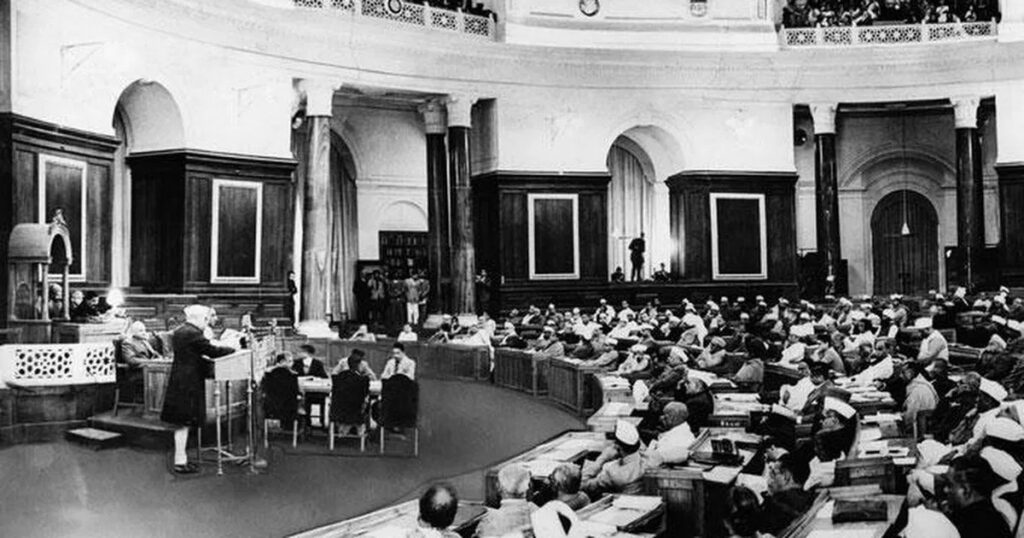
Practice Questions on Constituent Assembly(Polity) for UPSC, APPSC, TGPSC and other state PSC exams

Practice Questions on Constituent Assembly

When did the Constituent Assembly of India first meet?


Who served as the Temporary Chairman (Pro-tem Speaker) of the Constituent Assembly at its very first sitting?


Who was elected as the permanent President of the Constituent Assembly of India?


Who was the Chairman of the Drafting Committee of the Constituent Assembly?


On which date was the Indian Constitution adopted by the Constituent Assembly?


On which date did the Indian Constitution come into full force?


The idea of a Constituent Assembly for India was first proposed by whom?


Which plan provided for the establishment of the Constituent Assembly of India?


What was the total membership of the Constituent Assembly of India as originally constituted?


Who was appointed as the Constitutional Adviser (Legal Adviser) to the Constituent Assembly?


How many committees were formed by the Constituent Assembly to assist in constitution-making?


The Drafting Committee of the Constituent Assembly had how many members?


How many sessions did the Constituent Assembly hold in total before adopting the Constitution?


The Objectives Resolution, which formed the basis for the Preamble to the Indian Constitution, was moved by whom?


The Constituent Assembly was elected indirectly. Who elected the members of the Constituent Assembly?


Which committee of the Constituent Assembly was chaired by Jawaharlal Nehru and dealt with the Union’s executive and legislative powers?


What was the approximate total expenditure incurred in making the Indian Constitution?


The Constituent Assembly acted as the Provisional Parliament of India between which periods?


Who among the following was NOT a member of the Drafting Committee of the Constituent Assembly?


How many articles and schedules did the original Constitution of India contain when it was adopted in 1949?


The concept of a Constituent Assembly for India was first officially adopted by the Indian National Congress at which session?


Who presided over the Constituent Assembly in the absence of Dr. Rajendra Prasad?


The famous ‘Tryst with Destiny’ speech was delivered by Jawaharlal Nehru on which occasion?


Which schedule of the Constitution contains the Forms of Oaths or Affirmations, which were included in the original Constitution?


The Muslim League boycotted the first few sessions of the Constituent Assembly. When did the League ultimately withdraw from the Constituent Assembly?


The Indian Constitution borrowed the concept of a ‘Directive Principles of State Policy’ from which country’s constitution?


The Preamble to the Indian Constitution was adopted by the Constituent Assembly on which date?


Granville Austin, who wrote the famous book ‘The Indian Constitution: Cornerstone of a Nation,’ described the Indian Constitution as which kind of document?


The Advisory Committee on Fundamental Rights, Minorities and Tribal and Excluded Areas was chaired by whom?


The Constituent Assembly of India ratified India’s membership in the Commonwealth of Nations on which date?


Which of the following is correct regarding the Constituent Assembly of India?


How long did the Constituent Assembly take to complete the drafting and adoption of the Constitution?


In the Constituent Assembly, what was the basis for representation of Indian Princely States?


The Constituent Assembly adopted the National Flag of India on which date?


The phrase ‘We, the People of India’ in the Preamble signifies which important principle?


Who among the following moved the motion for the final adoption of the Constitution in the Constituent Assembly?


The Constituent Assembly formed a sub-committee under J.B. Kripalani specifically for which purpose?


The Indian Constitution has been described as ‘a bag borrowed from many sources’ or a ‘borrowed constitution.’ Which country’s constitution contributed the idea of Fundamental Rights?


The Constituent Assembly of India signed and adopted the Constitution collectively. How many members signed the Constitution?


The Constitution of India was calligraphed (handwritten) by whom?


In the Constituent Assembly debates, which member famously argued against the Preamble’s use of the word ‘sovereign’ as long as India remained in the British Commonwealth, and moved an amendment to delete the word ‘Republic’ from the Preamble?


The Constituent Assembly Debates reveal that Dr. Ambedkar described the Indian Constitution as providing which special mechanism for constitutional amendment that makes it unique among federal constitutions?


Which member of the Constituent Assembly articulated the concept that India’s Constitution should reflect ‘the genius of a nation’ and criticized excessive borrowing from Western constitutions, particularly in the context of adopting a parliamentary system?


The Constituent Assembly resolved the contentious question of Fundamental Rights versus Directive Principles by adopting which principle in the Constitution?


In which Constituent Assembly debate did Dr. B.R. Ambedkar make the famous statement warning against ‘hero-worship’ or ‘Bhakti in politics’ as a danger to Indian democracy?


The Constituent Assembly debate on the question of a Uniform Civil Code (Article 44) revealed which fundamental divide among its members?


The Constituent Assembly’s approach to the Centre-State relations was significantly influenced by the events of which period, leading to a more centralised federal structure compared to classical federations?


K.M. Munshi’s famous concept of ‘composite culture’ influenced which aspect of the Constituent Assembly’s debates and constitutional provisions?


The Constituent Assembly’s decision to retain a bicameral legislature at the Centre (with Rajya Sabha) despite arguments for unicameralism was primarily justified on which grounds?


Which of the following best describes the significance of the Constituent Assembly’s debate on Article 17 (Abolition of Untouchability)?


For practice President of India

constituent assembly

Practice Questions on Constituent Assembly(Polity) for UPSC, APPSC, TGPSC and other state PSC exams Read More Β»

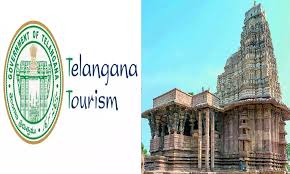
PRASHAD Scheme in Telangana – 4 Tourism Projects Approved-TGPSC exams

Why in News?

Union Ministry of Tourism announced progress under the PRASHAD Scheme in Telangana, with one project completed and three ongoing.

telangana tourism

Projects Approved under PRASHAD Scheme in Telangana:

  • Jogulamba Devi Temple-Alampur.
  • Ramappa (Rudreshwara) Temple-Mulugu district.
  • Bhadrachalam Temple-Bhadradri Kothagudem district
  • Renuka Yellamma Devasthanam

PRASAD scheme:

  • Full Form: Pilgrimage Rejuvenation and Spiritual, Heritage Augmentation Drive
  • Launched in: 2014–15
  • Ministry: Ministry of Tourism
  • Type: Central Sector Scheme
Objectives:
  • Integrated development of pilgrimage destinations
  • Improve tourism infrastructure
  • Promote religious tourism in a sustainable manner
https://www.thehindu.com/news/national/telangana/development-of-one-telangana-tourism-project-under-prashad-scheme-completed-three-ongoing/article70599050.ece: PRASHAD Scheme in Telangana – 4 Tourism Projects Approved-TGPSC exams

PRASHAD Scheme in Telangana – 4 Tourism Projects Approved-TGPSC exams Read More Β»

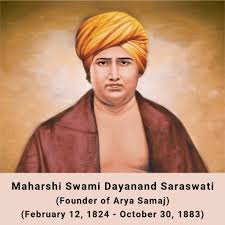
Swami Dayanand Saraswati Birth Anniversary – Arya Samaj, Satyarth Prakash & Key Contributions

Why in News?

The birth anniversary of Swami Dayanand Saraswati was observed recently. The President and Vice President of India paid tribute, highlighting his role in social and religious reforms.

swami dayanand saraswati

Major Contributions of Swami Dayanand Saraswati:

Famous Slogan:

  • β€œBack to the Vedas” (Return to pure Vedic teachings)

Concept of Swaraj:

  • First to give the call β€œIndia for Indians” (1876)

Religious Reforms:

  • Promoted Monotheism
  • Opposed idol worship and polytheism
  • Emphasized Vedas as supreme authority

Shuddhi Movement:

  • Focused on reconversion to Hinduism

Education Initiatives:

  • Inspired establishment of DAV (Dayanand Anglo-Vedic) institutions
  • First DAV School established in Lahore (1886) by Mahatma Hansraj

Literary Work:

  • Authored β€œSatyarth Prakash”
https://ddnews.gov.in/en/pm-modi-pays-homage-to-maharshi-dayanand-saraswati-on-birth-anniversary/: Swami Dayanand Saraswati Birth Anniversary – Arya Samaj, Satyarth Prakash & Key Contributions

Swami Dayanand Saraswati Birth Anniversary – Arya Samaj, Satyarth Prakash & Key Contributions Read More Β»

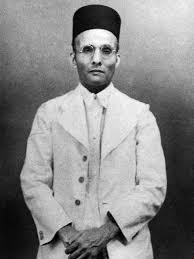
Vinayak Damodar Savarkar Death Anniversary (February 26) – Contributions, Books & Role in Freedom Struggle

Why in News?

February 26 marks the death anniversary of Vinayak Damodar Savarkar (Veer Savarkar). Leaders, including the Prime Minister, paid tribute highlighting his role in India’s freedom movement.

vinayak damodar savarkar

Major Contributions of Veer Savarkar:

  • Revolutionary Organizations:
    • Founded Mitra Mela (1899)
    • Later transformed into Abhinav Bharat Society (1904)
  • Activities in London:
    • Associated with India House (London)
    • Established Free India Society to mobilize Indian students
  • Reinterpretation of 1857 Revolt:
    • Authored The History of the War of Indian Independence (1909)
    • First to call the revolt β€œFirst War of Independence”
  • Imprisonment:
    • Arrested in 1910 (Nasik Conspiracy Case)
    • Sentenced to 50 years in Cellular Jail (Andaman & Nicobar Islands)
https://www.newsonair.gov.in/minister-amit-shah-pays-tribute-to-freedom-fighter-vinayak-damodar-savarkar/: Vinayak Damodar Savarkar Death Anniversary (February 26) – Contributions, Books & Role in Freedom Struggle

Vinayak Damodar Savarkar Death Anniversary (February 26) – Contributions, Books & Role in Freedom Struggle Read More Β»

National Commission for Scheduled Tribes (NCST) – 23rd Foundation Day | Article 338A, Functions & Composition

Why in News?

The 23rd Foundation Day of the National Commission for Scheduled Tribes (NCST) was recently celebrated in New Delhi. It highlights the role of NCST in protecting the rights of Scheduled Tribes (STs) in India.

national commission for scheduled tribes

National Commission for Scheduled Tribes

  • NCST is a constitutional body established under Article 338A of the Indian Constitution.
  • It works for the protection, welfare, and development of Scheduled Tribes.
  • Formed after the Constitution (89th Amendment) Act, 2003.

Separation of Commissions (2003):

  • Earlier: A single body for SCs & STs
  • After Amendment:
    • National Commission for Scheduled Castes (NCSC) – Article 338
    • National Commission for Scheduled Tribes (NCST) – Article 338A
Composition of NCST:
  • Chairperson
  • Vice-Chairperson
  • 3 other Members
Appointment & Tenure:
  • Appointed by the President of India
  • Tenure: 3 years
Functions of NCST
  • Investigate and monitor safeguards for STs
  • Inquire into complaints regarding deprivation of rights
  • Advise on planning process for socio-economic development
  • Present reports to the President annually
https://www.pib.gov.in/PressReleasePage.aspx?PRID=2230380&reg=3&lang=1: National Commission for Scheduled Tribes (NCST) – 23rd Foundation Day | Article 338A, Functions & Composition

National Commission for Scheduled Tribes (NCST) – 23rd Foundation Day | Article 338A, Functions & Composition Read More Β»

Practice Questions on External Sector for UPSC, APPSC, TGPSC and other state PSC exams

Practice Questions on External Sector for UPSC, APPSC, TGPSC and other state PSC exams Read More Β»