📰 Today's Current AffairsRead Now →
📷 Follow on Instagram

PSC Chronicles Team

Practice Questions on Pre Historic cultures of AP for APPSC exams


Practice Questions on Pre Historic cultures of AP

1. Kurnool Caves (Billasurgam caves) in Andhra Pradesh are primarily associated with which prehistoric culture?


2. The Neolithic site of Nagarjunakonda in Andhra Pradesh is located on the banks of which river?


3. Microliths — tiny geometric stone tools — are the characteristic tools of which prehistoric age?


4. Who is considered the ‘Father of Indian Prehistory’ who discovered many prehistoric sites in South India?


5. Burial of the dead with grave goods such as pottery and iron implements is a characteristic feature of which prehistoric culture in Andhra Pradesh?


6. The use of copper along with stone tools is the characteristic of which prehistoric age?


7. What type of pottery is most commonly associated with Megalithic burials in Andhra Pradesh?


8. Which prehistoric age is characterized by the use of polished stone tools and the beginning of settled agriculture?


9. The site of Gudur in Nellore district of Andhra Pradesh is associated with which prehistoric tool industry?


10. The prehistoric site of Muchchatla Chintamanigavi cave in Andhra Pradesh is located in which district?


11. Which river valley is considered the most important region for discovering Palaeolithic sites in Andhra Pradesh?


12. The Neolithic site of Utnur is known for which distinctive feature?


13. Which of the following is a characteristic feature that distinguishes Megalithic culture from earlier prehistoric cultures in AP?


14. Peddabankur (Karimnagar district) is an important site where prehistoric finds were discovered. It is best known for its association with which culture?


15. Rock paintings found at Ongole, Nellore and other parts of AP in prehistoric times are primarily associated with which age?


16. The term ‘dolmen’ in the context of Megalithic culture refers to which type of monument?


17. The Acheulian tool tradition in Andhra Pradesh belongs to which specific phase of the Palaeolithic period?


18. Which geologist first identified and reported Palaeolithic stone tools from the Kurnool region of Andhra Pradesh?


19. The Neolithic settlement site of Nagarjunasagar showed evidence of which economic activity besides agriculture?


20. Which of the following sites in Andhra Pradesh has yielded evidence of Mesolithic habitation along with animal remains including bones of deer, ox and wild pig?


21. The practice of ‘urn burial’ in Megalithic culture in AP involves which funerary practice?


22. Which crop is most commonly associated with the Neolithic agricultural settlements in the Krishna-Tungabhadra doab region of Andhra Pradesh?


23. Cairn circles, a type of Megalithic burial found in AP, are best described as which of the following?


24. The Palaeolithic site at Giddalur in Andhra Pradesh is located in which district?


25. Which of the following statements about Neolithic tools in AP is correct?


26. The site of Ramapuram in Kurnool district is known for which prehistoric culture?


27. The term ‘menhir’ in Megalithic culture refers to which type of stone monument?


28. What is the approximate date range assigned to the Megalithic culture in Andhra Pradesh?


29. The Palaeolithic tools found along the banks of the Tungabhadra river in Kurnool district of AP belong primarily to which tradition?


30. Which scholar conducted excavations at the Nagarjunakonda valley before it was submerged by the Nagarjunasagar reservoir and documented Megalithic remains?


31. Stone cist burial is a Megalithic burial type where the body is placed in which kind of structure?


32. The earliest evidence of animal domestication (cattle/sheep/goat) in Andhra Pradesh is associated with which prehistoric period?


33. Which prehistoric period in AP is characterized by paintings inside rock shelters depicting hunting scenes and wild animals?


34. The site of Yelleswaram in Nalgonda district is particularly known for which prehistoric cultural remains?


35. The prehistoric tool tradition found in the Kurnool caves characterized by small flake tools and points made on blades represents which specific phase?


36. In which specific geological deposit are most Palaeolithic tools in Andhra Pradesh found, and what does this indicate about the environment during that period?


37. The concept of ‘Secondary burial’ in Megalithic AP context refers to which funerary practice?


38. The Neolithic culture in South India (including AP) is termed ‘Southern Neolithic’ by archaeologists. Which feature distinguishes it from North Indian Neolithic cultures?


39. At Neolithic sites in AP, the ‘ground stone axe’ or ‘Neolithic celt’ was made primarily from which rock type?


40. The site of Piklihal in the Krishna-Tungabhadra doab, adjacent to AP, is important for which prehistoric evidence?


41. Iron smelting technology in prehistoric AP during the Megalithic period used which type of ore, and at what approximate temperature?


42. The ‘Jorwe culture’ of Maharashtra shows connections with which culture in Andhra Pradesh in the Chalcolithic period?


43. Excavations at Nagarjunakonda revealed a Megalithic habitation phase below the Buddhist levels. What does this stratigraphic evidence suggest?


44. Which specific type of pottery found in AP Megalithic burials has a ‘carinated’ (sharply angled) shoulder profile and is considered diagnostically Megalithic?


45. The concept of ‘Megalithic builders’ in AP context — who were these people in terms of their linguistic and ethnic identity according to modern scholarship?


46. The site of Tadpatri in Anantapur district AP is known for which unique combination of prehistoric remains?


47. Which method of absolute dating is most commonly used to date organic remains (charcoal, bone, seeds) from prehistoric sites in AP, and what is its effective dating range?


48. Which Megalithic site in Andhra Pradesh showed evidence of a Megalithic-early historic (Satavahana period) cultural overlap through finds of Satavahana coins alongside Megalithic Black and Red Ware pottery?


49. Which of the following best describes the subsistence strategy of Mesolithic people in Andhra Pradesh based on archaeological evidence from sites like the Kurnool caves?


For Practice Question on Satavahanas Click here

pre historic cultures of ap

Practice Questions on Pre Historic cultures of AP for APPSC exams Read More »

India to feature in World Bank B-READY Report 2026

Why in News?

India will be included in the World Bank’s Business Ready (B-READY) Report 2026.

business ready

B-READY (Business Ready)

  • B-READY (Business Ready) is the new flagship report of the World Bank.
  • Launched in 2024, replacing the Ease of Doing Business (EoDB) Index

A comprehensive framework to assess:

  • Business environment
  • Investment climate
  • Regulatory quality
https://www.business-standard.com/industry/news/india-may-face-challenges-on-a-few-parameters-in-wb-s-b-ready-report-gtri-124123100579_1.html: India to feature in World Bank B-READY Report 2026

India to feature in World Bank B-READY Report 2026 Read More »

National Monetisation Pipeline (NMP) 2.0 Launched: ₹16.72 Lakh Crore Asset Monetisation Plan

Why in News?

Union Finance Minister has launched National Monetisation Pipeline (NMP) 2.0. It outlines a five-year roadmap (FY 2026–2030) to monetise public infrastructure and attract private investment.
national monetisation pipeline

Key Highlights:

  • Total Monetisation Target: ₹16.72 lakh crore
  • Time Period: FY 2026–FY 2030
  • Private Investment Target: ₹5.8 lakh crore
  • Developed by NITI Aayog
  • Focus on brownfield infrastructure assets

What is National Monetisation Pipeline (NMP)?

The National Monetisation Pipeline (NMP) is a central government initiative to unlock value from existing public infrastructure by leasing them to the private sector. It serves as a medium-term roadmap for “asset recycling,” where funds generated from mature, operational assets are reinvested into building new infrastructure projects

  • Leasing, Not Selling: The government retains 100% ownership of the assets. Private players are granted rights to operate and maintain them for a fixed period (typically 30–60 years) in exchange for upfront or periodic payments.
  • Brownfield Focus: It exclusively targets “brownfield” assets—those that are already built and generating revenue—to minimize execution risks for investors.
https://www.pib.gov.in/PressReleasePage.aspx?PRID=2231900&reg=3&lang=1: National Monetisation Pipeline (NMP) 2.0 Launched: ₹16.72 Lakh Crore Asset Monetisation Plan

National Monetisation Pipeline (NMP) 2.0 Launched: ₹16.72 Lakh Crore Asset Monetisation Plan Read More »

Centre Issues New Guidelines on ‘Vande Mataram’: Key Facts, History & Exam Notes

Why in News?

Union Government has issued new guidelines for the rendition of ‘Vande Mataram’, India’s National Song. It mandates that all six stanzas of the official version be rendered first when performed along with the National Anthem.

Vande Mataram

Composition

  • Written by Bankim Chandra Chattopadhyay in 1875
  • First published in Bangadarshan journal
  • Later included in his novel Anandamath (1882)

Political & Historical Significance

  • First sung publicly by Rabindranath Tagore at the 1896 INC Session (Calcutta)
  • Became a symbol of India’s freedom struggle
  • Used as a rallying cry against British rule

Global Recognition

  • Madam Bhikaji Cama unfurled India’s early flag with Vande Mataram” inscribed in Stuttgart (1907)

Constitutional Status

  • On 24 January 1950, the Constituent Assembly:
    • Declared ‘Vande Mataram’ as National Song
    • Granted it status “equal in honour” to National Anthem (‘Jana Gana Mana’)
  • Initially, only the first two stanzas were officially adopted
https://timesofindia.indiatimes.com/india/all-6-stanzas-of-vande-mataram-now-must-for-all-govt-events-schools-what-centres-new-guidelines-say/articleshow/128187027.cms: Centre Issues New Guidelines on ‘Vande Mataram’: Key Facts, History & Exam Notes

Centre Issues New Guidelines on ‘Vande Mataram’: Key Facts, History & Exam Notes Read More »

80th Anniversary of Royal Indian Navy Revolt (1946): Key Facts, Causes & Significance for exams:

Why in News?

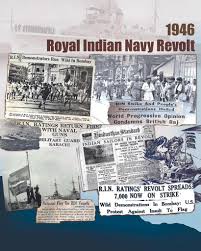
February 18, 2026 marks the 80th anniversary of the Royal Indian Navy (RIN) Revolt, 1946.
royal indian navy (rin) revolt

Key Highlights:

  • Also known as the 1946 Naval Uprising.
  • Began on February 18, 1946, and lasted for 5 days.
  • Originated at HMIS Talwar (Bombay) and spread to other naval establishments.
  • Involved around 20,000 naval ratings across ships and shore establishments.
  • Received mass public support including strikes by workers and students.

Causes of the RIN Revolt

  • Poor Quality of Food served to Indian sailors
  • Racial Discrimination and ill-treatment by British officers
  • Low Pay and Harsh Working Conditions
  • Influence of nationalist movements and INA trials

Course of Events

Immediate Trigger

  • Began as a hunger strike by ~1,100 ratings at HMIS Talwar
  • Protest against Commander Arthur Frederick King’s racial behaviour

Organisation

  • Formation of Naval Central Strike Committee (NCSC)
  • Leadership by M.S. Khan

Demands

  • Better food and service conditions
  • Equal treatment with British personnel
  • Release of Indian National Army (INA) prisoners

Outcome

  • Revolt ended on February 23, 1946, after surrender
  • Suppressed by British authorities with negotiations and force

Significance
  • Demonstrated declining loyalty of Indian armed forces to British rule
  • Seen as the “final nail in the coffin” of British colonialism in India
  • Accelerated British decision to transfer power in 1947
  • Highlighted unity among soldiers, workers, and civilians
https://www.thehindu.com/education/the-1946-royal-navy-revolt-solidarity-amid-sharpening-polarisation/article70642960.ece: 80th Anniversary of Royal Indian Navy Revolt (1946): Key Facts, Causes & Significance for exams:

80th Anniversary of Royal Indian Navy Revolt (1946): Key Facts, Causes & Significance for exams: Read More »

HNSS & GNSS Projects to Boost Drinking Water Supply to Tirumala & Tirupati

Why in News?

Andhra Pradesh government announced plans to enhance drinking water supply to Tirumala and Tirupati. The initiative will be implemented through strengthening the HNSS (Handri–Neeva) and GNSS (Galeru–Nagari) irrigation projects.
handri neeva sujala sravanthi

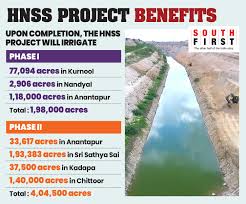
Handri–Neeva Sujala Sravanti (HNSS) Project:

  • One of the longest lift irrigation projects in the Rayalaseema region.
  • Water Source: Krishna River floodwaters (up to 40 TMC).

Major Features

  • Irrigation Coverage: ~6.025 lakh acres
  • Drinking Water Supply: Nearly 33 lakh people
  • Beneficiary Districts:
    • Kurnool
    • Anantapur
    • Sri Sathya Sai
    • Kadapa
    • Chittoor

Importance

  • Crucial for drought-prone Rayalaseema region

Galeru–Nagari Sujala Sravanti (GNSS) Project:

  • Designed to divert surplus water from Srisailam Reservoir.
  • Irrigation Coverage: ~2.6–2.65 lakh acres Drinking Water Supply: ~5–20 lakh people
  • Beneficiary Districts: Kadapa, Chittoor and Nellore
  • Water Utilisation: 38–40 TMC of Krishna floodwaters
https://www.thehindu.com/news/national/andhra-pradesh/govt-will-augment-drinking-water-supply-to-tirumala-tirupati-through-hnss-gnss-projects-says-minister-ramanaidu/article70624202.ece: HNSS & GNSS Projects to Boost Drinking Water Supply to Tirumala & Tirupati

HNSS & GNSS Projects to Boost Drinking Water Supply to Tirumala & Tirupati Read More »

Andhra Pradesh Budget 2026–27 projects the state’s public debt to reach ₹7.11 lakh crore.

Why in News?

Andhra Pradesh Budget 2026–27 projects the state’s public debt to reach ₹7.11 lakh crore.

andhra pradesh budget 2026–27

Key Highlights

  • Public Debt (2026–27 BE): ₹7,11,094 crore Previous Year (2025–26 RE): ₹6,35,177 crore
  • Debt-GSDP Ratio: ~36% (stable since 2024–25) Key Insight:
  • Debt is increasing in absolute terms
  • But remains sustainable relative to GSDP

Year-wise Public Debt of Andhra Pradesh

  • 2020–21: ₹3,50,557 crore
  • 2021–22: ₹3,78,087 crore
  • 2022–23: ₹4,29,526 crore
  • 2023–24: ₹4,91,734 crore
  • 2024–25: ₹5,68,623 crore
  • 2025–26 (RE): ₹6,35,177 crore
  • 2026–27 (BE): ₹7,11,094 crore
https://www.thehindu.com/news/national/andhra-pradesh/aps-public-debt-nears-711-lakh-crore-in-202627-gsdp-ratio-steady-at-36/article70632100.ece: Andhra Pradesh Budget 2026–27 projects the state’s public debt to reach ₹7.11 lakh crore.

Andhra Pradesh Budget 2026–27 projects the state’s public debt to reach ₹7.11 lakh crore. Read More »